What is the sanctuary? It is the area of a Catholic church, usually raised, where the altar, ambo, and presider's chair are located, separate from the nave where the congregation gathers. The credence table is the side table near the altar that holds the chalice, cruets, and other items used during the celebration.
Anyone serving on a parish renovation committee hears these terms regularly. Móveis Zanovello, which has manufactured church pews and church furniture in Floreal/SP since 1965, explains each part here based on the General Instruction of the Roman Missal (GIRM), the document governing the celebration of Mass in the Roman Rite.
Nave and sanctuary: the two main areas
A Catholic church has two main areas:
- Nave: the congregation's space, where the pews are located. This is where the faithful enter, sit, and approach for Communion.
- Sanctuary: the space for the altar and ministers.
GIRM no. 295 defines the sanctuary as the place where the altar stands, the Word of God is proclaimed, and the priest, deacon, and other ministers exercise their ministries. The same paragraph calls for it to be distinguished from the nave by elevation or by a distinctive structure and decoration, and to be spacious enough for the celebration to take place comfortably and be seen.
No. 294 adds that the gathered people have a particular order that the building should express, and that the whole should form a coherent unity.
The altar: the main table
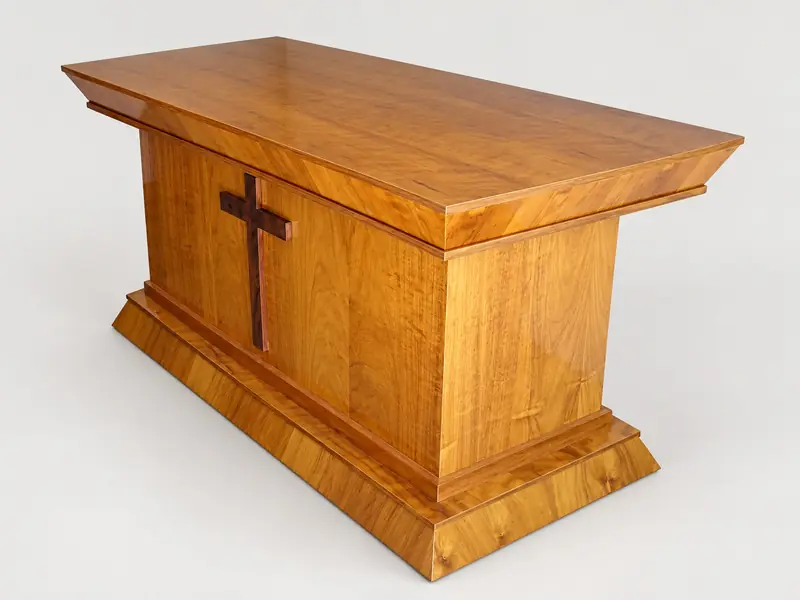
The altar is the centerpiece of the sanctuary. GIRM no. 296 states that the sacrifice of the Cross is made present on the altar under sacramental signs, and that it is also the table of the Lord, to which the people of God are called, and the center of the thanksgiving accomplished through the Eucharist.
Points the GIRM addresses about the altar:
- Fixed and movable altars (no. 298): every church should have a fixed altar attached to the floor; in other places of celebration, the altar may be movable.
- Material (no. 301): according to Church tradition, the top of a fixed altar is made of natural stone, but the Conference of Bishops may permit another worthy, solid, and well-crafted material. A movable altar may be made of noble, solid materials suitable for liturgical use.
Before ordering an altar table, the parish should therefore confirm with the diocese which requirements apply.
Ambo and presider's chair
In addition to the altar, the sanctuary includes two other places with distinct functions:
Ambo
This is the fixed place from which the readings, responsorial psalm, and Easter Proclamation are proclaimed, and where the homily and Prayer of the Faithful may also be delivered, according to GIRM no. 309. The text calls for everyone to be able to see and hear clearly. Read the full explanation in what is an ambo.
Presider's chair
GIRM no. 310 states that the priest celebrant's chair should express his role in presiding over the assembly and directing prayer. The most appropriate location is facing the people at the back of the sanctuary, unless the building's structure prevents this. The same paragraph calls for avoiding any appearance of a throne and provides for chairs for concelebrants, for the deacon near the celebrant, and for other ministers.
Credence table: the auxiliary table
The credence table is a side table in the sanctuary near the altar. GIRM no. 118 lists what is placed on it before Mass:
- the chalice, corporal, purificator, and, when appropriate, the pall;
- the paten and, if needed, ciboria;
- the bread for Communion;
- cruets containing wine and water, unless the faithful bring them in procession at the offertory;
- everything needed for washing hands.
The credence table keeps these items off the altar until they are needed, leaving the main table clear and organized.
How sanctuary furniture coordinates with the pews
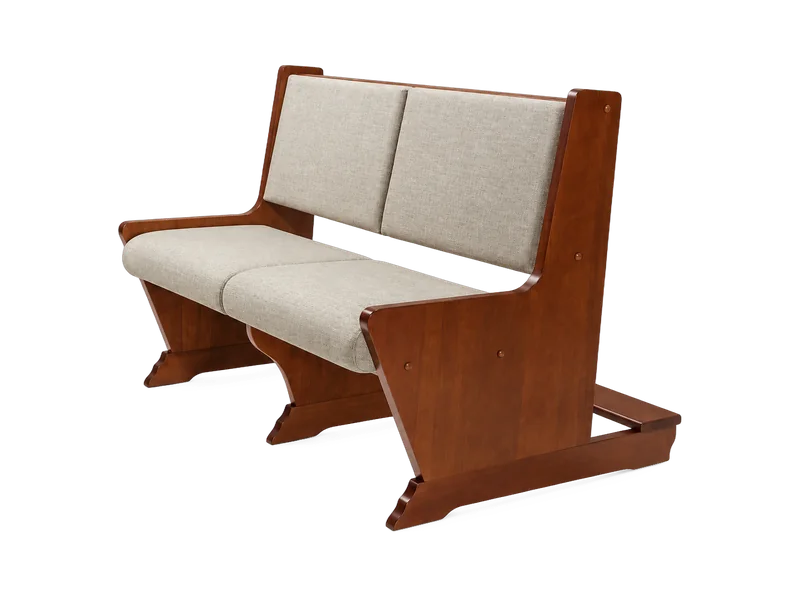
All the pews face the sanctuary. That is why its furnishings and the nave's pews are usually planned together:
- Matching wood and color: using the same finish for the altar, ambo, credence table, chairs, and pews gives the church a coordinated appearance.
- Matching style: carved furnishings pair well with traditionally designed pews, while straight-lined furnishings complement simpler pews.
- Proper spacing: the first row of pews begins beyond the sanctuary steps, leaving room for processions and Communion.
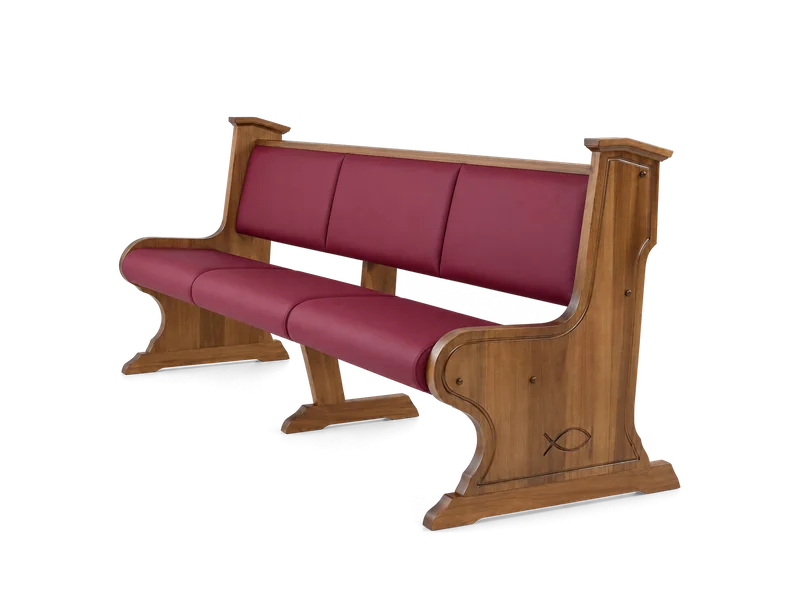
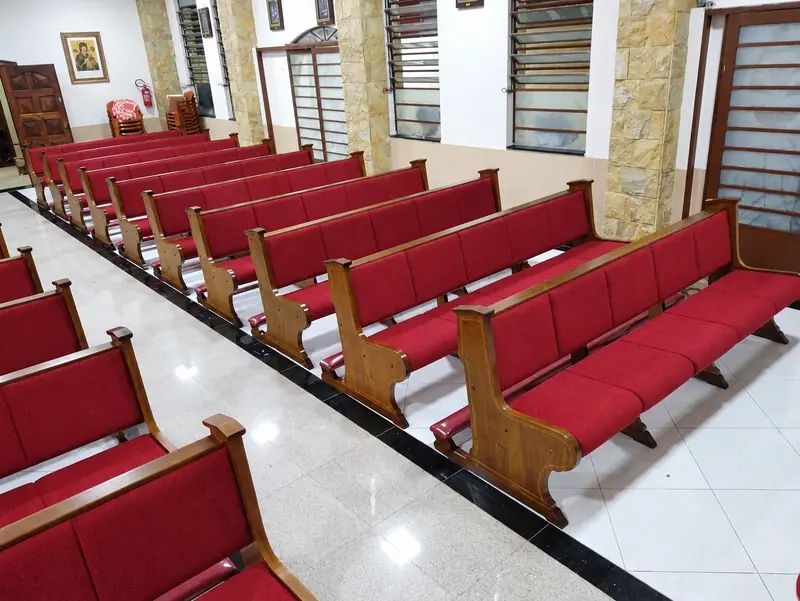
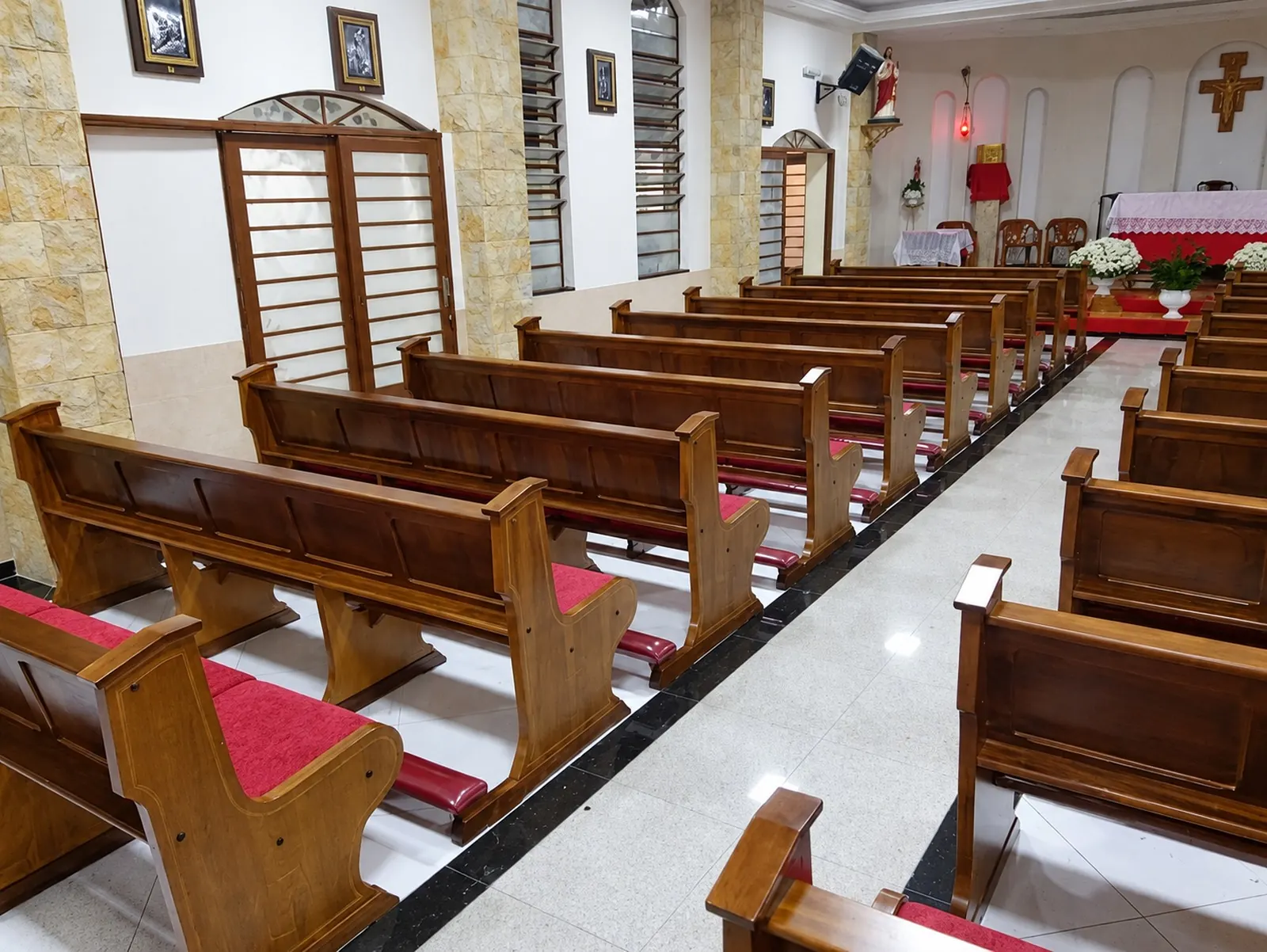
At Paróquia Sagrada Face in São Paulo/SP, Z-Elegance upholstered church pews in red fabric form two sections, with a center aisle leading to the altar.
Zanovello liturgical furniture
Móveis Zanovello makes sanctuary furniture from Lyptus® (eucalyptus hardwood) grown in planted forests, the same wood used for its pews. Dimensions and finish color are agreed upon in the proposal.
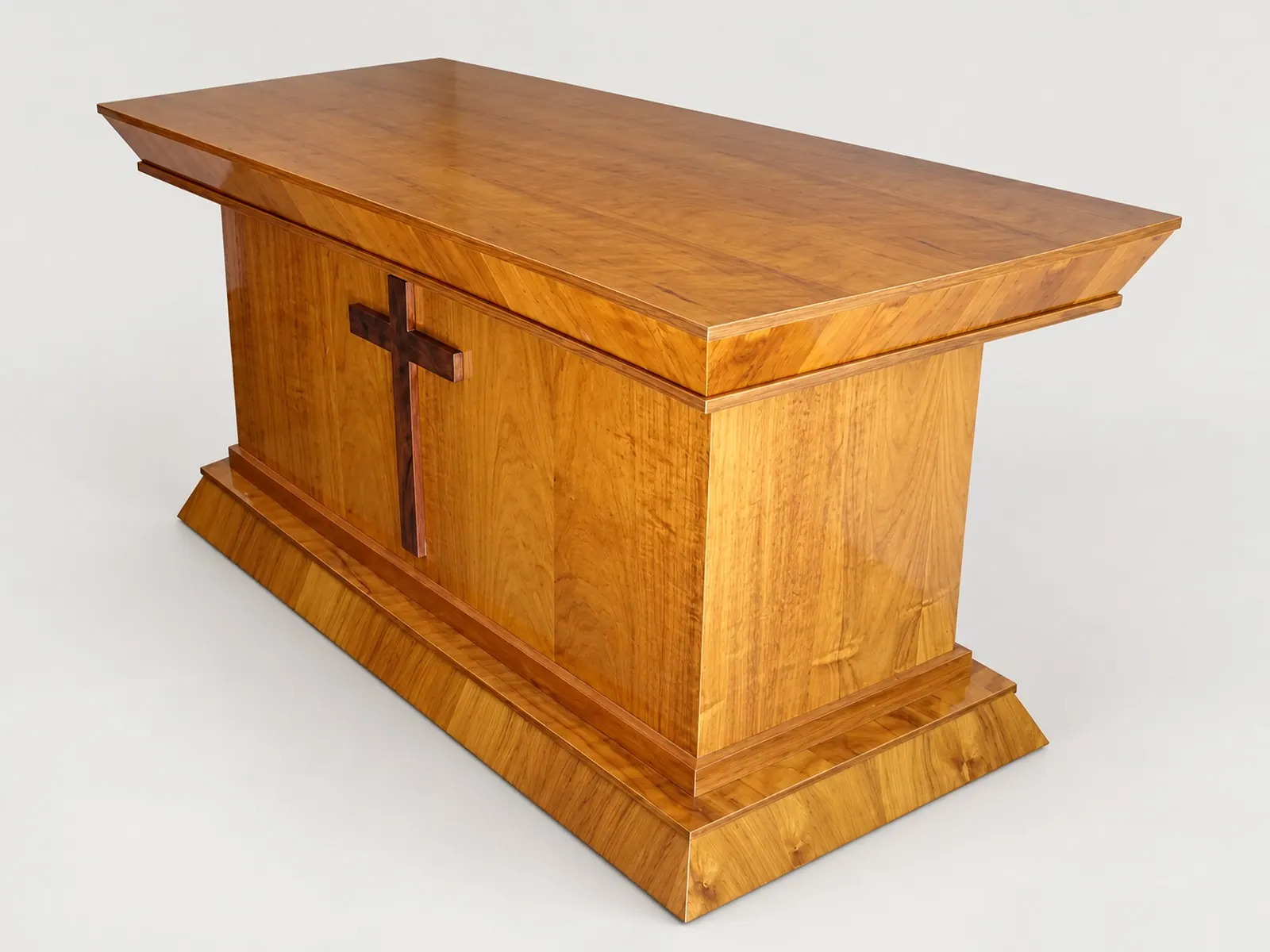
- Straight-line altar table: enclosed body, wide top with a beveled edge, applied cross on the front, and stepped base.
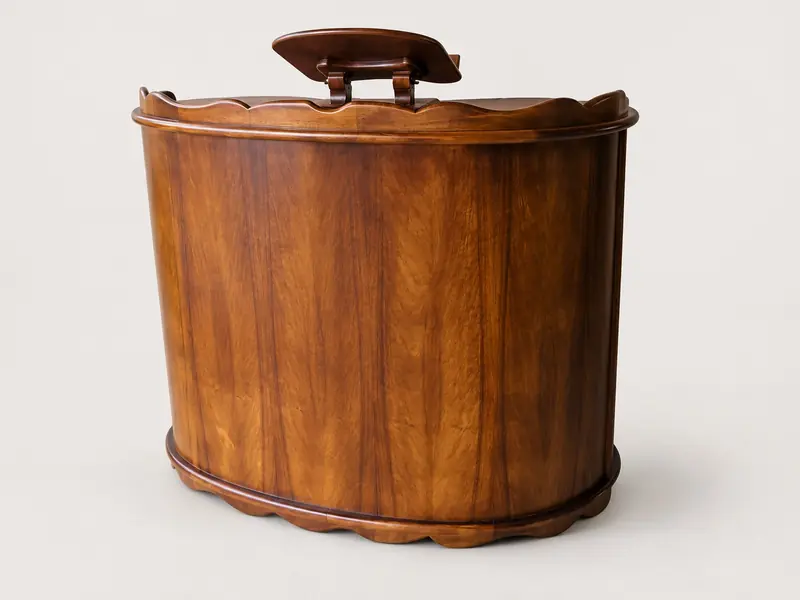
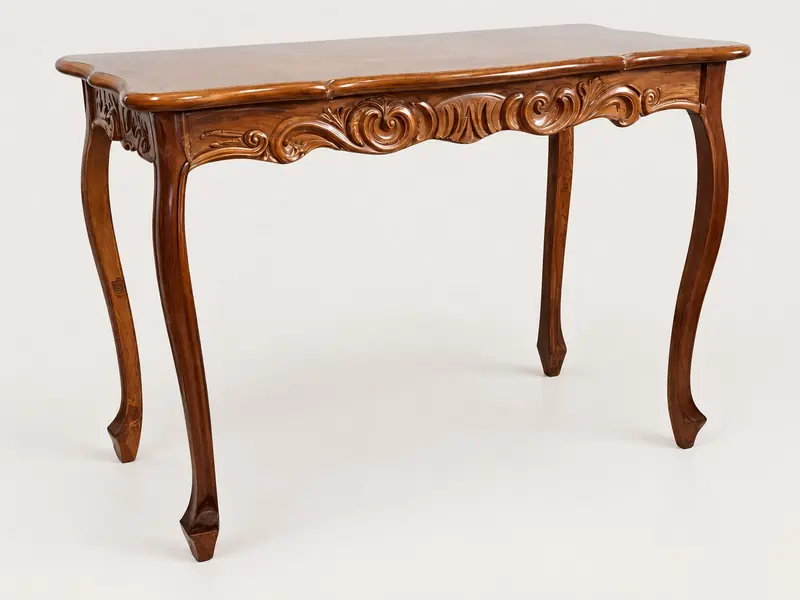
- Carved credence table: Louis XV-style curved legs, shaped top, and apron carved with scrolls and foliage.
- Ambos: Videira, Oval, Sextavado Paz e Vida, and the reading stand, all under altar and ambo.
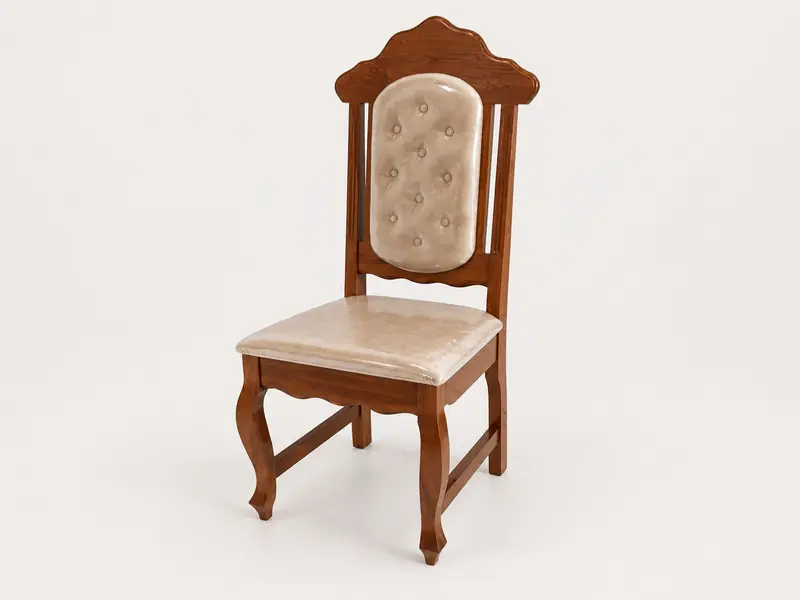
- Chairs and armchairs: including the Regency-style chair with a high, deep-button-tufted back and carved button-tufted armchairs, under church chairs.
For nave seating, see the recommended models under Catholic church pews.
Next step
Order sanctuary furnishings through our accessories WhatsApp contact, with no minimum order: send the names of the pieces, the approximate sanctuary dimensions, and the parish's city. You will receive a written proposal with pricing, dimensions, and a timeline. If the renovation includes new pews, start with Build your quote and request the altar furniture as part of the same project. Pews come with a 7-year written warranty and a minimum order of 20 pews.